Autism: A Playful Typeface for Creative Brands
In the vast landscape of modern typography, finding a typeface that genuinely captures a specific mood can be a challenge. You want something that stands out, yet remains functional; something with personality, but not so much that it overwhelms your message. This is where the Autism font steps in. It is more than just a collection of letters; it is a design asset that brings a distinctively fun and incredibly cute aesthetic to the table. If you are working on a project that requires a touch of whimsy, warmth, and approachability, this color font might be exactly what your toolkit is missing.
Visual Character and Style
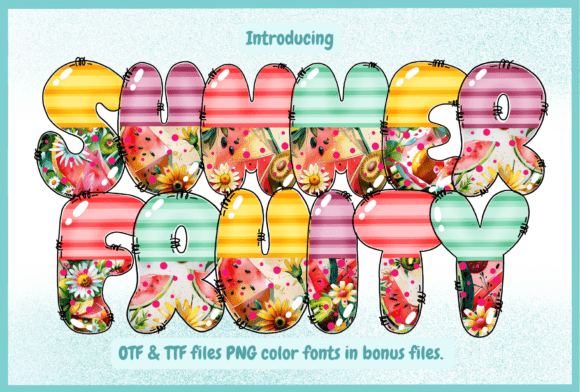
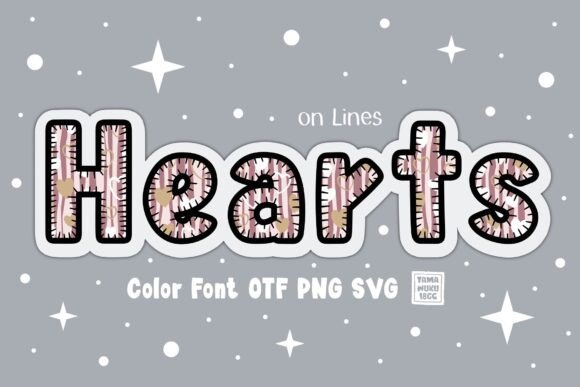
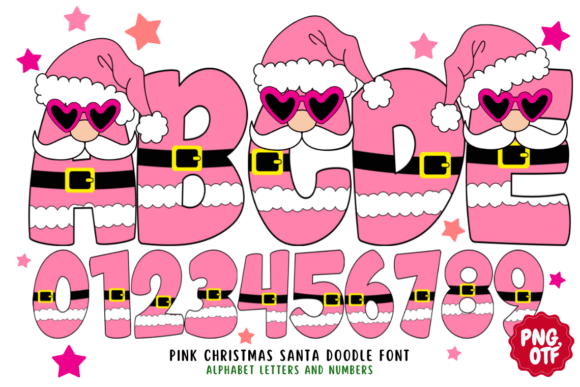
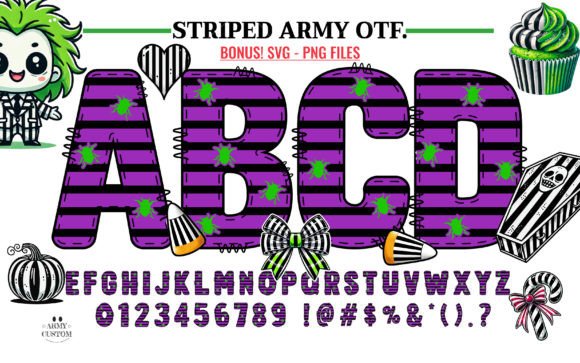
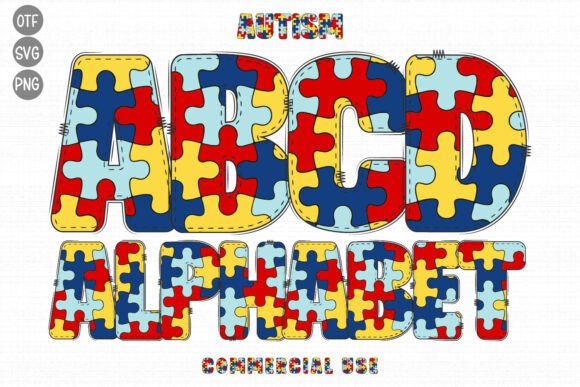
At its core, Autism is a display font designed to capture attention. Unlike standard sans serif font or serif font families used for body text, this typeface prioritizes personality over neutrality. Its visual characteristics are defined by a soft, rounded structure that mimics the organic flow of a handwritten font. However, it elevates this style with the use of color gradients and shading, typical of a modern premium font with color capabilities.
The letterforms feel hand-crafted, avoiding the rigid geometry of traditional modern typography. This creates an immediate emotional connection with the viewer, evoking feelings of joy and creativity. The "cute" factor comes from the balanced proportions and the slightly bouncy baseline, giving the text a rhythmic, lively appearance. It is the kind of typeface that feels friendly right out of the box, making it an ideal choice for projects where you want to build immediate rapport with your audience.
Strategic Applications for Designers and Entrepreneurs
Understanding where to deploy a creative font like Autism is just as important as choosing it. Because of its strong visual personality, it works best in specific contexts where impact is required. It is not designed for long-form reading, but rather for high-visibility moments.
Logo Design and Brand Identity: For startups, particularly those in the lifestyle, wellness, or children’s sectors, this font offers a strong foundation for a brand identity. A logo set in Autism immediately signals a brand that is accessible and fun. It works particularly well for small business owners who want to appear personable rather than corporate.
Packaging Design: If you are selling physical products, packaging design is your first handshake with the customer. The playful nature of this typeface can make a product pop on the shelf. Imagine this font on a label for artisanal goods, snacks, or creative stationery—it instantly communicates quality and care with a friendly twist.
Digital Presence and Social Media: In the fast-scrolling world of social media, stopping the thumb is everything. Using Autism for social media graphics, Instagram stories, or YouTube thumbnails can significantly boost engagement. Its color capabilities mean you can create eye-catching headers without needing complex Photoshop layering. Furthermore, for web design, it serves as an excellent choice for hero section headlines or call-to-action buttons, adding a burst of energy to the user interface.
Editorial and Publishing: While it isn't suited for the body copy of a novel, it shines in editorial design. Think magazine covers, chapter headings, or pull quotes. Bloggers and content creators can use it to create visually distinct headers that break up the monotony of text-heavy pages, improving the overall reading experience.
The Psychology of Readability and Perception
Typography influences how information is processed. When you choose a font like Autism, you are making a deliberate choice about brand perception. The rounded, soft edges of the typeface reduce visual friction, making the content feel less intimidating. This is crucial for audience engagement; a viewer is more likely to interact with content that feels welcoming.
However, managing visual hierarchy is essential. Because Autism is a display typeface, it commands attention. If used for every element on a page, it creates visual noise. The key to professionalism is restraint. Use Autism for the headline to draw the eye in, and then pair it with a clean, neutral sans serif font for the supporting text. This contrast ensures that your message is both seen and read clearly, maintaining readability while preserving the playful vibe.
Practical Guide to Implementation
Integrating a new font into your workflow requires a bit of strategy. Here is how to ensure that Autism works for your specific needs:
- Evaluate the Fit: Before committing, look at the font pairing potential. Does the "cute" style of Autism match the tone of your industry? It is perfect for a bakery or a creative agency, but might be a mismatch for a law firm or a heavy industrial manufacturer.
- Review the Styles: A robust commercial font often comes with variations. Check if the file includes different weights or alternates. This allows you to create variety within your designs without switching typefaces, ensuring consistency across your materials.
- Licensing Check: If you plan to use this for merchandise, client work, or paid advertising, you must verify the commercial licensing. Ensure your license covers the intended usage to avoid legal issues down the road.
- Test at Scale: Always test the font at the size you intend to use it. A character that looks adorable on a business card might lose its charm if blown up too large for a billboard, or vice versa.
Ultimately, the Autism font is a versatile tool for the modern creator. It bridges the gap between a standard script font and a graphic element, offering a unique way to express your brand's voice. By applying it thoughtfully to your design assets