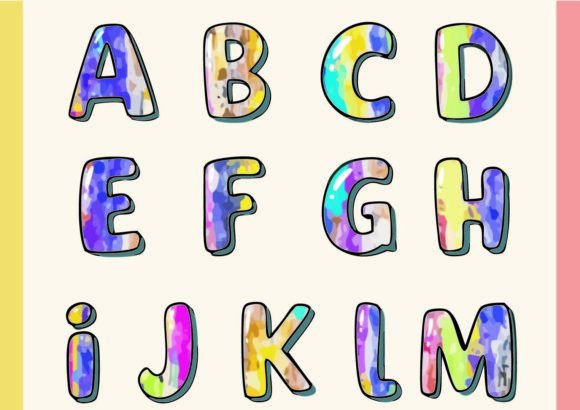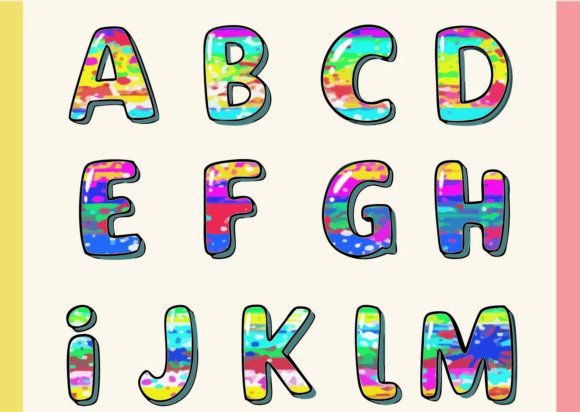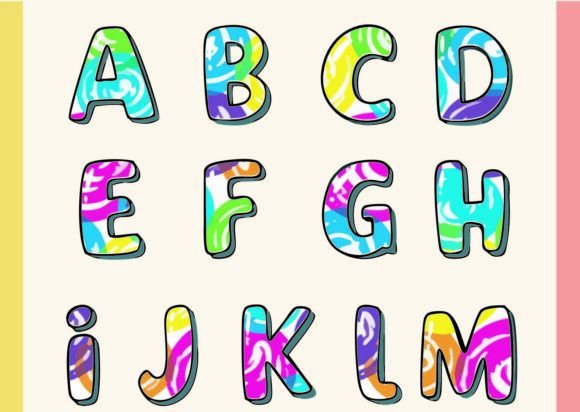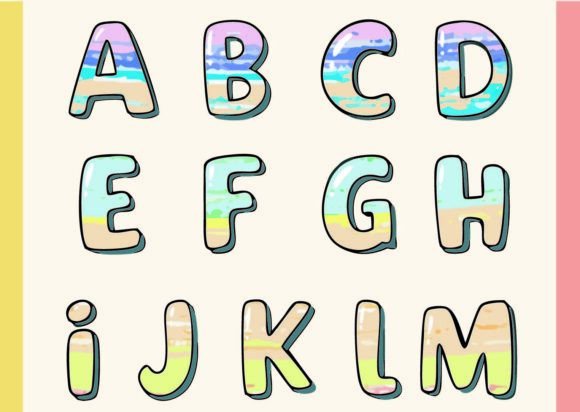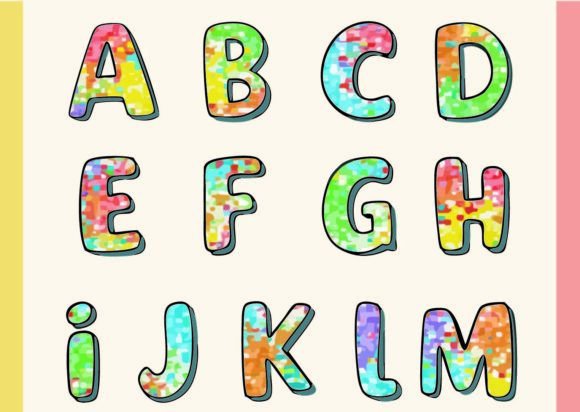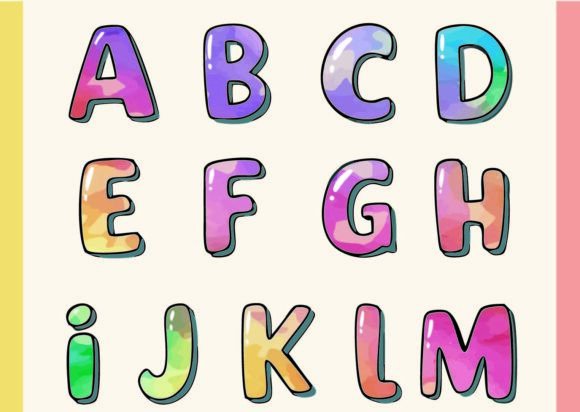
Emory: A Colorful Heaven of Typographic Paintings
Imagine a font that doesn't just sit on the page but bursts forth with life, where every single glyph is a unique, intricate composition of color and form. This is the reality of Emory, a typeface that transcends traditional typography. It’s not merely a set of characters; it’s a collection of miniature artworks. Each letter, number, and symbol is built with complex paths and connections, rendered in a distinct, vibrant color palette. To call it a display font is an understatement—it’s a colorful heaven, a tool for creating immediate, breathtaking visual impact.
Emory is an Opentype-SVG color font, a modern typography advancement that allows for these embedded, multi-color designs within a single font file. The result is a typeface with unparalleled depth and detail. Where a standard font uses a single color, Emory presents a full spectrum, making every character a potential typographic painting. This isn't your standard serif font or sans serif font; it’s a creative font in the truest sense, designed for projects that demand to be seen and remembered. The personality is bold, artistic, and unapologetically expressive, appealing to creators who view their work as a canvas.
Where Emory Truly Shines: Beyond Basic Text
The real-world value of a premium font like Emory lies in its specific, powerful applications. This is not the typeface for lengthy body copy or legal disclaimers. Its strength is in commanding attention for short, high-impact messages. Think of the projects where visual hierarchy is everything.
- Logo Design & Brand Identity: For a brand that wants to convey creativity, energy, and a modern edge, Emory can be the cornerstone of its brand identity. It’s perfect for logotypes, monograms, or hero text on a website. The inherent color and detail mean a logo can be striking even without additional graphic elements.
- Packaging Design: On a crowded shelf, Emory makes a product pop. It’s exceptionally suited for artisanal products, cosmetics, boutique foods, or any item where the packaging itself tells a story of craft and quality. The intricate details reward a closer look, inviting customer engagement.
- Editorial & Publishing: Use it for magazine covers, chapter titles, pull quotes, or section headers in a book. It transforms a standard layout into a dynamic spread, setting a definitive tone that draws readers in. The visual hierarchy becomes instantly clear and compelling.
- Digital & Social Media: In the fast-scrolling environment of social media, Emory stops the thumb. It’s ideal for Instagram story text, YouTube thumbnails, Pinterest graphics, or website banners. It creates social media graphics that feel professional and polished, boosting brand recognition.
- Event & Marketing Materials: From wedding invitations to concert posters and promotional flyers, Emory adds a layer of artistic sophistication. It’s a display font that ensures event details are not just read, but felt.
Making Emory Work: Practical Guidance for Designers and Creators
Integrating a specialized design asset like Emory into your workflow requires a thoughtful approach. Its power is immense, but it must be used with intention to maintain readability and professionalism.
First, consider project fit. Emory excels where personality and flair are the goals. Ask yourself: Does this project need to feel vibrant, artistic, and unique? If the answer is yes, it’s a strong candidate. For projects requiring strict neutrality, clarity at small sizes, or formal tone, a different typeface would be more appropriate.
Next, master the font pairing. Because Emory is so visually dense, it needs a calm, complementary partner. Pair it with a clean, geometric sans serif font for body text or supporting labels. The contrast creates balance, allowing Emory’s headlines to shine without overwhelming the viewer. Avoid pairing it with other ornate scripts or heavily styled fonts, as this leads to visual chaos.
When you install the font files (OTF and/or TTF), you’ll find a single, magical file that contains all the color information. In compatible software—Photoshop, Illustrator, Silhouette, and Inkscape—you simply select the font and type. The color and complexity are built-in. Test it at various sizes to understand its best use case; its detailed paths are most effective at larger scales where the artistry is visible.
Finally, remember licensing. Emory is a commercial font, and its license will specify permitted uses, whether for personal projects, client work, or merchandise. Reviewing this ensures you’re using this powerful design asset correctly and supporting the artists who created it. By treating Emory not just as a font but as a key creative element, you unlock its potential to elevate any project from ordinary to extraordinary, creating consistent, recognizable, and deeply engaging visual communication.