Logan: The Colorful Display Font That Feels Like Typographic Art
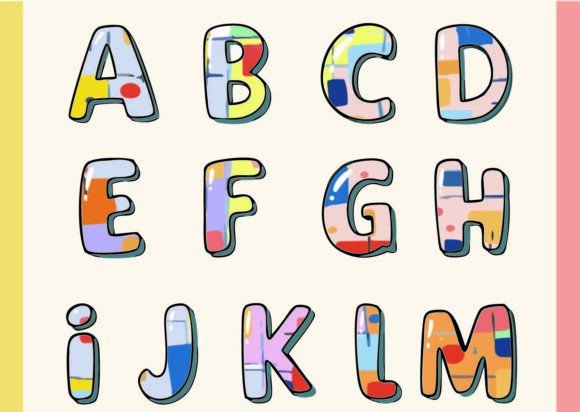
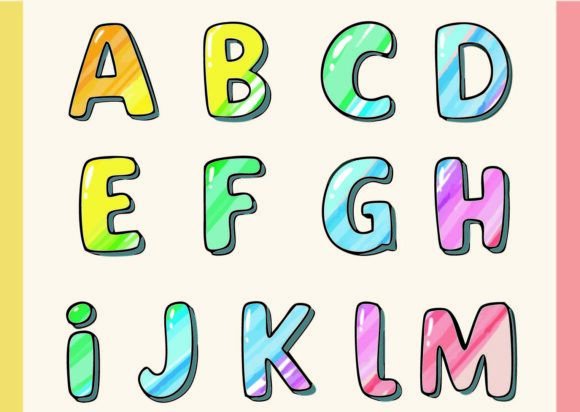
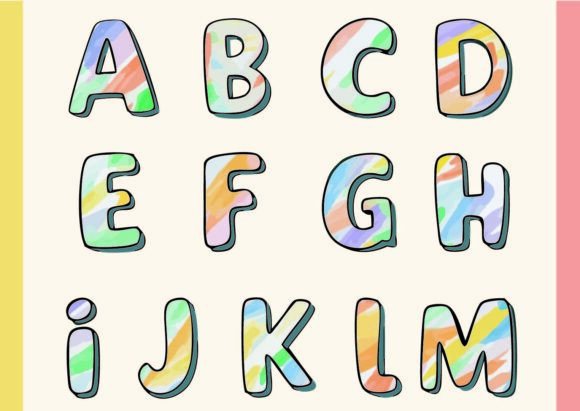
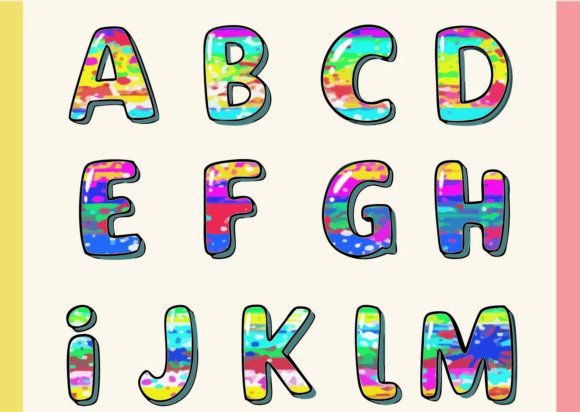
If you've ever wished a font could do more than just convey words, Logan might change your perspective. This isn't your standard black-and-white typeface. Logan is a color font, specifically an OpenType-SVG font, where every single glyph is a miniature composition of vibrant, multi-hued paths. Imagine a typographic painting for each letter, number, and symbol. It’s a design asset that brings an immediate, eye-catching energy to any project it touches, moving beyond simple text into the realm of visual statement.
A Visual Profile: More Than Meets the Eye
At first glance, Logan presents a bold, confident serif structure. The letterforms have a classic weight and presence, but the magic happens when you look closer. Each glyph is filled with intricate, complex sets of paths and connections, rendered in a unique, harmonious set of colors. This creates a sense of depth and artistry that flat color fonts often lack. The personality of Logan is undeniably creative, expressive, and modern. It doesn’t whisper; it speaks with visual authority, making it a standout premium font choice for projects that need to capture attention immediately. The style bridges the gap between traditional serif font legibility and contemporary, artistic flair.
The overall appeal lies in this fusion of structure and artistry. The underlying letterforms are solid and readable, but the color and detail transform them into decorative elements. This makes Logan a powerful display font, perfect for headlines, logos, and short bursts of impactful text where you want the typography itself to be the focal point.
Where Logan Truly Shines: Real-World Applications
Understanding a font's personality is one thing, but knowing where to apply it is where its real value is unlocked. Logan isn't a workhorse for body copy; it’s a specialist. Here’s where it excels:
- Logo Design & Brand Identity: For a brand that wants to project creativity, innovation, and a touch of artistic sophistication, Logan is a compelling choice. It can instantly establish a brand identity that feels vibrant and contemporary. Think of a boutique creative agency, an artisanal food brand, or a forward-thinking tech startup. Using Logan in a logo or as a primary headline font on a website can create a memorable and distinctive visual signature.
- Editorial & Publishing Design: In magazine covers, chapter headings, or pull quotes, Logan can add a dramatic, artistic element. It draws the reader’s eye and breaks the monotony of standard text, enhancing visual hierarchy in a sophisticated way. For publishers of design, lifestyle, or culture-focused content, it’s a tool to make pages feel curated and premium.
- Packaging & Product Design: Packaging needs to stand out on a crowded shelf or in a digital marketplace. Logan’s colorful, intricate glyphs can make product names or key descriptors pop. Imagine it on a craft beverage label, a luxury cosmetics box, or a special edition book cover. It communicates quality and attention to detail, influencing brand perception from the first glance.
- Digital & Social Media Graphics: In the fast-scrolling world of social media, stopping power is everything. Logan is perfect for creating bold Instagram post titles, YouTube thumbnails, or website hero banners. Its vibrant nature is inherently shareable and engaging, boosting audience engagement through visual appeal. It works exceptionally well for web design headers where a static image is used.
- Crafting & Personal Projects: For hobbyists and crafters using software like Silhouette, Logan opens up a world of possibilities for custom decals, t-shirt designs, and personalized gifts. The ability to use such an artistic font without manual coloring is a huge time-saver and creative boost.
Practical Guidance: Choosing and Using Logan Effectively
Adopting a font like Logan requires a bit more consideration than a standard sans serif font. Here’s how to approach it:
- Evaluate Project Fit: First, ask if your project’s tone aligns with Logan’s expressive personality. It’s ideal for creative, modern, and energetic contexts. For projects requiring traditional solemnity or ultra-minimalist restraint, a simpler typeface might be better.
- Test for Readability: Always test Logan at the size you intend to use it. Its detailed color paths are best appreciated at larger sizes. As a display font, it’s meant for short headlines, not paragraphs. Ensure the colors remain clear and legible against your chosen background.
- Master Font Pairing: Because Logan is so visually dominant, pair it with a calm, neutral companion. A clean sans serif font or a simple, readable script font for body text can create a beautiful balance. The goal is to let Logan be the star while supporting text remains functional and easy to read. A strong font pairing ensures your design assets work in harmony.
- Review the Styles and Licensing: Check what’s included. Logan typically comes in OTF and/or TTF formats, the standard for commercial font files. Understand the licensing—whether it’s for personal use, a single commercial project, or an extended license for broader applications. This is crucial for professional and commercial use.
- Leverage Its Strengths: Don’t fight its nature. Use Logan where it can breathe and be seen. It’s a tool for creating impact, not for blending in. Think of it as a piece of modern typography art for your project.
In the end, Logan is more than just a creative font; it’s a design statement. It offers a unique way to infuse color, complexity, and artistic flair directly into your typography. By understanding its visual language and applying it strategically, you can leverage this distinctive typeface to elevate your projects, strengthen brand identity, and create visuals that truly resonate. It’s a valuable addition to any designer’s toolkit for those moments when you need typography to do more than just speak—you need it to sing.