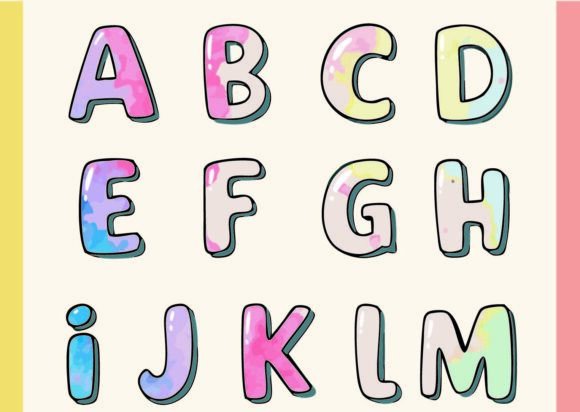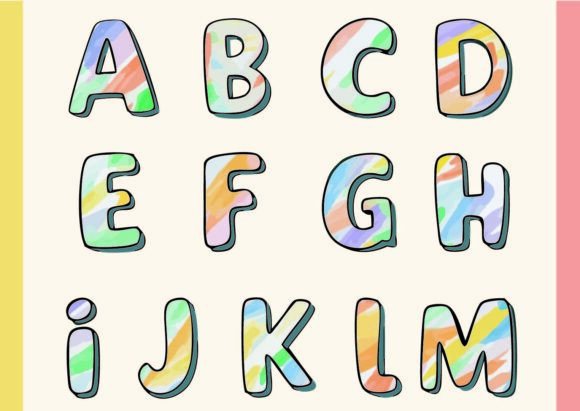
Eva: A Color Font That Turns Every Glyph Into a Typographic Painting
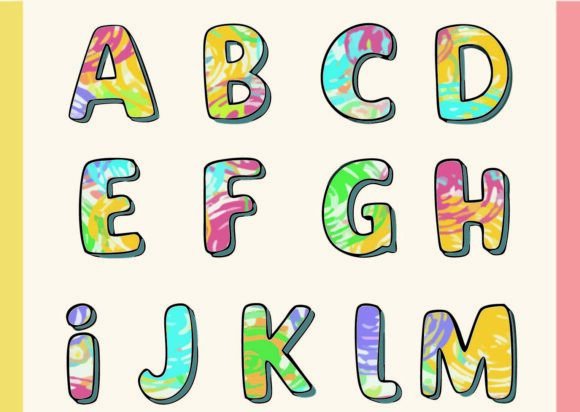
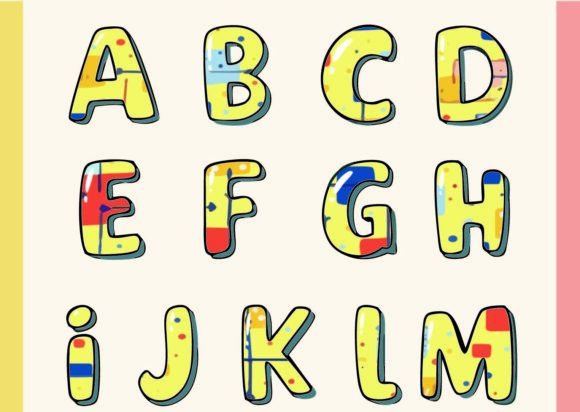
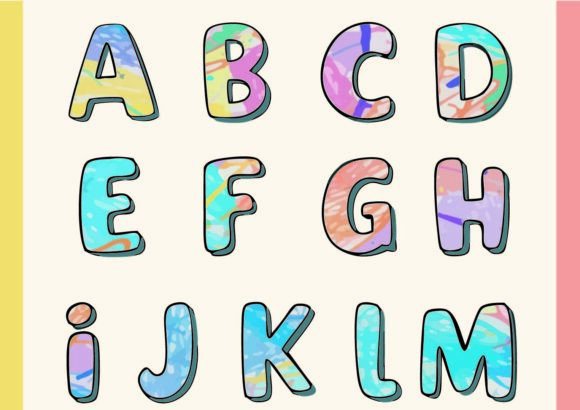
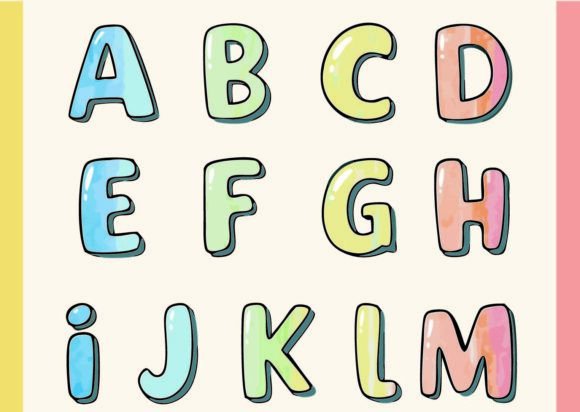
Imagine a typeface where each letter isn't just a shape, but a miniature artwork. That's the experience of working with Eva. It's not your standard set of characters; it's a premium font built as an OpenType-SVG color font. Every single glyph contains its own unique, complex set of colors and intricate paths. Zoom in, and you'll find the kind of detail you'd expect from a vector illustration, not just a letterform. This is a creative font designed for projects that demand immediate visual impact and a sense of handcrafted artistry.
Where Eva Truly Shines: Practical Applications for Maximum Impact
Understanding a font's personality is one thing; knowing where to apply it is what brings real value. Eva's colorful, detailed nature makes it a specialist. It's built for moments where you need to stop the scroll, capture attention, and convey a sense of uniqueness. Think of it as a display font with a painter's soul.
In logo design, Eva can become the centerpiece of a brand identity for creative studios, boutique shops, artisanal product lines, or event invitations. Its intricate color work can set a brand apart from the sea of minimalist sans serif fonts and standard serif fonts. For editorial design and packaging design, a headline or a single word set in Eva can act as a focal point, adding a layer of visual storytelling that a monochrome typeface simply can't. It's particularly effective for covers, chapter titles, or featured product names.
In the digital realm, Eva excels in social media graphics, website hero banners, and promotional materials. Its vibrant nature is inherently shareable and engaging. However, its detailed rendering means it's best used for headlines, short statements, or logos—not for body copy. Pairing it with a clean, readable font pairing partner, like a neutral sans serif font, is essential to maintain readability and visual hierarchy. The contrast allows Eva's artistic flair to stand out without overwhelming the viewer.
Integrating Eva: A Guide for Smart, Effective Design
Choosing a color font like Eva requires a slightly different approach than selecting a standard typeface. Its strength lies in its visual complexity, which means context is everything. Before incorporating it into a project, ask yourself: does this design call for a moment of artistic emphasis? Is the goal to create a brand identity that feels distinctly creative and memorable?
Start by testing Eva in your specific application. Because it's an OpenType-SVG font, compatibility is key. It works seamlessly in modern versions of Photoshop, Illustrator, Inkscape, and even cutting machines like Silhouette. Always check the rendering in your intended output medium—what looks stunning on screen may need adjustments for print, depending on the printing process. Its impact on brand perception is significant; it signals creativity, attention to detail, and a willingness to embrace modern typography trends.
When building a font pairing, let Eva be the star. Its intricate colors and paths naturally draw the eye. Use a calm, structured companion font for body text to ensure your message is accessible. Consider the included styles; Eva's glyph set is a toolkit of tiny paintings. Experiment with different letters and combinations to find the most harmonious and readable arrangement for your specific word or phrase. For commercial projects, reviewing the licensing is straightforward—Eva is a commercial font designed for professional use, allowing you to confidently use it in client work and products for sale.
Ultimately, Eva is more than just another design asset. It's a statement piece. It transforms typography from a functional element into a central decorative feature, offering a colorful heaven for projects that dare to be different. For designers, marketers, and creators looking to inject a dose of visual artistry into their work, it provides a unique tool that blends the worlds of type and illustration into one cohesive, vibrant package.