Alani: Where Every Glyph Becomes a Typographic Painting
Understanding the Alani Color Font
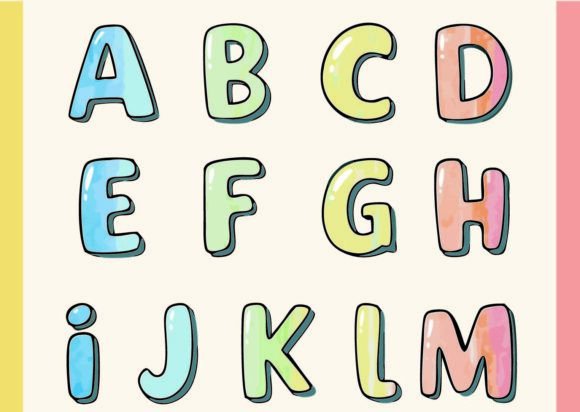
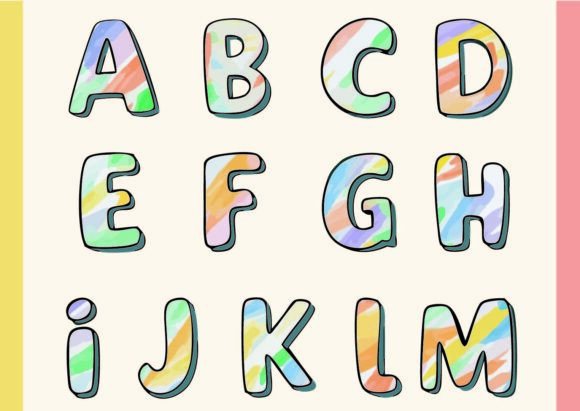
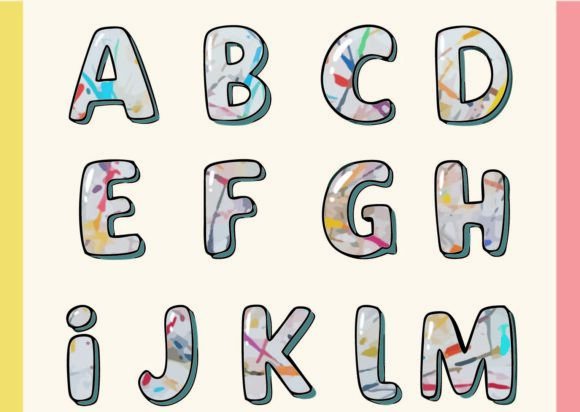
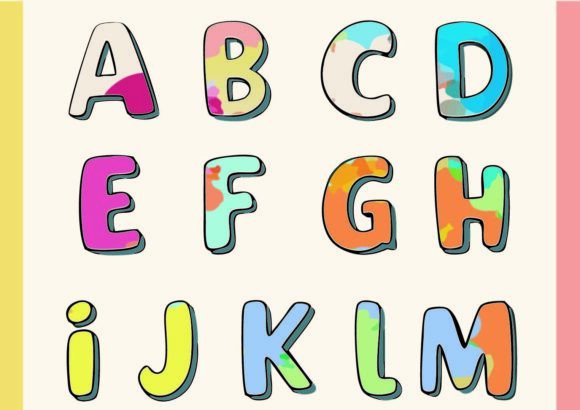
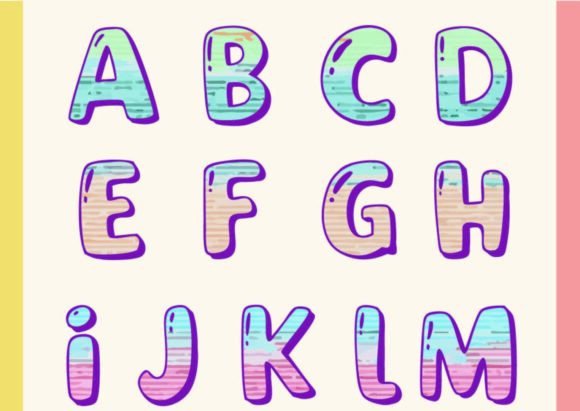
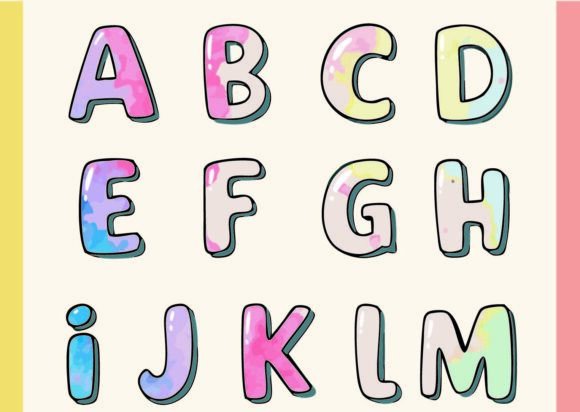
There is a distinct moment when a design stops being functional and starts being art. Alani occupies that exact intersection. As a color font—technically an OpenType-SVG file—Alani does not merely place a letter on a page; it deposits a complete, multicolored illustration. Unlike standard typefaces where you select a single color swatch for the entire word, Alani arrives with a pre-defined, complex color palette embedded directly into the vector data.
If you look closely at the glyphs, you’ll see that this isn't just a fill. You will find intricate sets of paths and connections within every single character. The complexity suggests a level of craftsmanship usually reserved for digital illustration, not typography. It is, in every sense of the word, a colorful heaven. Each glyph functions as a standalone typographic painting, offering depth and texture that flat fonts simply cannot achieve on their own.
The Technical Reality of a Chromatic Typeface
Before diving into creative applications, it is vital to address the technical nature of Alani. Because this is a chromatic font utilizing OpenType-SVG technology, it behaves differently than a standard TTF or OTF file. The color information is baked into the file structure, meaning the font looks exactly as the designer intended right out of the box.
However, compatibility is the gatekeeper here. To access the full visual potential of Alani, your software must support SVG color fonts. The primary environments where Alani shines are Adobe Photoshop, Adobe Illustrator, and Silhouette. These platforms can read the complex layering and color data embedded in the OTF files. If you are an Inkscape user, you will find support there as well, though always ensure your version is up to date to handle modern typography standards.
It is important to note that while the product includes OTF and/or TTF files for broader accessibility, the "flat" version (TTF) will lose the color data, rendering as a standard black outline. For the full "painting" effect, stick to the SVG-compatible software.
Visual Personality and Style
Alani projects an aura of exuberance and sophistication. It avoids the trap of looking childish despite its colorful nature. Instead, the complex paths and connections within the letters lend an air of modern typography mixed with organic artistry. The style is bold; it demands attention. It is not a serif font for long-form reading, nor is it a quiet sans serif font for UI design. Alani is a pure display font, designed to be the hero of the composition.
The personality is versatile depending on the context. In one light, it feels celebratory and festive, perfect for party invitations or event headers. In another, the intricate details suggest high-end craftsmanship, making it suitable for luxury packaging design or boutique brand identity work. It bridges the gap between script font fluidity and structural integrity, offering a unique aesthetic that is hard to categorize but easy to recognize.
Strategic Applications for Designers and Brands
Knowing what Alani is helps, but knowing where to use it is where the value lies. As a premium font, it is an investment in your design assets library, and it should be deployed where it creates the highest impact.
Logo Design and Brand Identity
For entrepreneurs and small business owners, a logo needs to be memorable. Alani offers an immediate "wow" factor. If you are building a brand in the beauty, fashion, food, or lifestyle sectors, this typeface can serve as the primary wordmark. The built-in colors can inspire the rest of your brand palette, ensuring cohesion. However, a word of caution: because the font is so detailed, it works best for brands with shorter names. A long business name set in Alani might become visually overwhelming.
Packaging Design
On a shelf, consumers make split-second decisions. Alani’s complex color gradients and paths catch the eye immediately. It is particularly effective for product lines targeting a younger demographic or those looking for a "handmade" yet professional aesthetic. Think artisanal cosmetics, gourmet snacks, or specialty stationery. The creative font style suggests that the product inside is just as detailed and colorful as the wrapper.
Digital and Social Media
In the fast-scrolling environment of Instagram, TikTok, or Pinterest, flat text often gets lost. Alani, being a color font, pops off the screen. It is excellent for social media graphics, story headers, and pinned posts. For web design, use it sparingly in hero sections or promotional banners. It loads as a font file but renders like an image, offering the crispness of vector text with the visual appeal of a raster graphic.
Editorial and Publishing
While you wouldn't use Alani for the body copy of a magazine, it is a powerhouse for editorial design. Use it for drop caps, pull quotes, or section headers to break up the monotony of standard text. It adds a layer of visual interest that engages the reader and signals a shift in content tone.
Influence on Visual Hierarchy and Engagement
Typography is the architecture of information. Alani acts as the grand entrance hall. By using this typeface for your H1 headers or primary calls to action, you instantly establish a visual hierarchy that guides the viewer’s eye.
The presence of Alani influences brand perception by signaling that the creator values aesthetics and is willing to go beyond standard tools. It creates a sense of professionalism and recognition. When a customer sees that level of detail in a header, they subconsciously attribute that same level of care to the service or product being offered. It boosts audience engagement because the text itself becomes a conversation starter—people often pause to look at the letterforms.
Practical Guidance for Implementation
Adopting a premium font like Alani requires a strategy. Here is how to integrate it effectively into your workflow:
- Evaluate Project Fit: Alani is a high-impact font. It is generally not suitable for legal disclaimers, technical manuals, or long paragraphs. Assess if the project requires "quiet" efficiency or "loud" celebration. If it is the latter, Alani is likely a fit.
- Test Font Pairings: Because Alani is so detailed, it pairs best with simple, neutral companions. A clean sans serif font like Helvetica, Arial, or a modern geometric sans works perfectly for sub-headlines and body text. Avoid pairing it with a decorative handwritten font or a busy script font, as this will lead to visual chaos.
- Review Included Styles: Check the font package for any alternate characters or ligatures. Sometimes, color fonts include different color variations or stylistic sets that can help you customize the look further.
- Readability Considerations: Always test Alani at the size it will be viewed. Because of the intricate paths mentioned earlier, very small sizes (under 20pt) may lose clarity, turning the detailed art into a muddy blur. It is designed to be viewed large.
- Commercial Licensing: Ensure you have the correct license for your usage. If you are using Alani for client work or products for sale, verify that the license covers commercial distribution. Most premium fonts offer this, but it is the designer's responsibility to check.
Conclusion
Alani is more than just a set of letters; it is a design statement. By leveraging OpenType-SVG technology, it brings the vibrancy of illustration into the world of typography. Whether you are refreshing a brand identity, designing packaging, or creating scroll-stopping social media graphics, Alani provides a toolset that is both visually stunning and technically robust. It allows you to inject color and personality into your work instantly, proving that sometimes, the best design asset is the font itself.