Love Valentine's Heart: More Than Just a Doodle Font
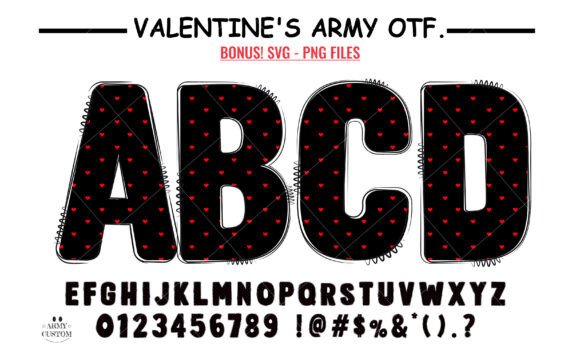
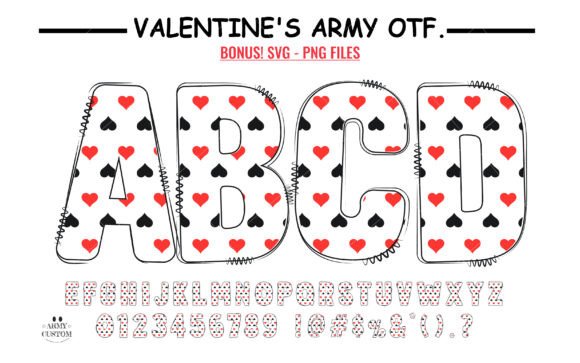
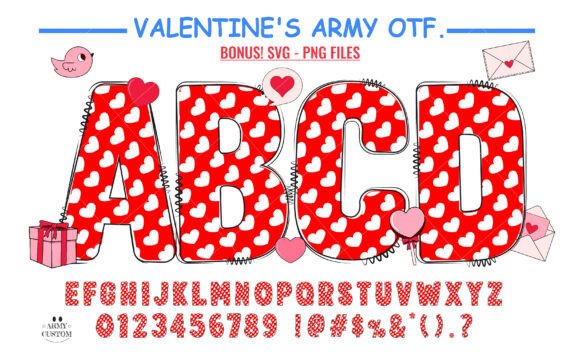
When you first encounter the Love Valentine's Heart font, it’s easy to dismiss it as a novelty. It looks like a collection of intricate doodles, perfect for a single day in February. But as a designer who has spent years navigating the tension between artistic flair and commercial viability, I see something different. I see a highly specific premium font that, when used correctly, can inject a level of tactile warmth and human connection into a project that sterile, geometric fonts simply cannot achieve. It is a creative font built on the foundation of a handwritten font style, but with a decorative twist that demands attention.
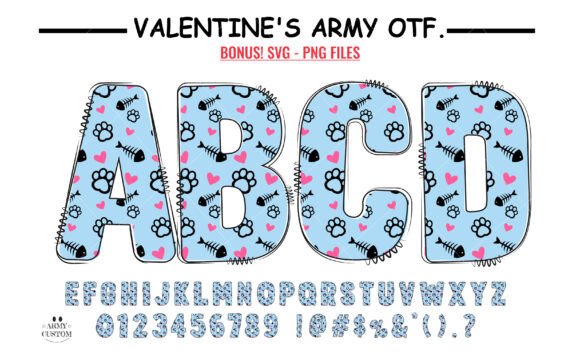
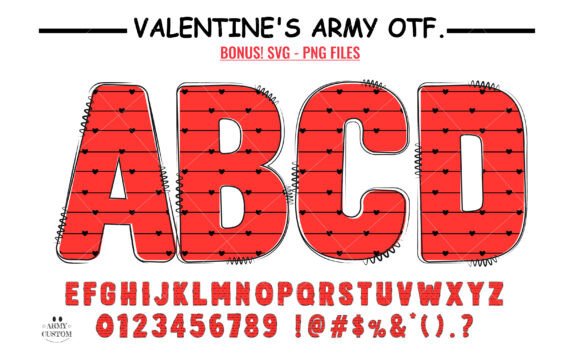
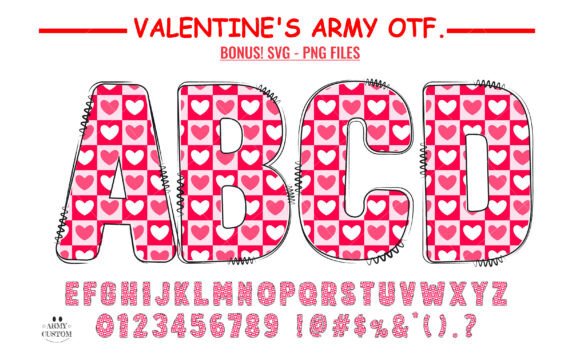
The core personality of Love Valentine’s Heart lies in its complexity. It isn't a simple script font where the letters connect fluidly; it is a display font where every glyph is a piece of art. The strokes are permeated with heart patterns, creating a texture that feels hand-drawn and organic. This is crucial for brand perception. In an era of AI-generated perfection and rigid sans serif fonts, a typeface like this signals authenticity. It tells the viewer that a human hand was involved in the creation of the message. However, this strength is also its biggest constraint. Because of the intricate doodle patterns filling the negative space, this typeface has a very low x-height density. It is not a serif font meant for body copy; it is a statement piece meant to evoke an immediate emotional response.
Visual Hierarchy and The Art of the Header
Understanding where Love Valentine's Heart fits into modern typography requires a grasp of visual hierarchy. Imagine a wedding invitation or a high-end chocolate packaging design. You have seconds to capture the essence of the brand. If you use this font for a paragraph of text, you lose readability immediately—the eye tires of the complex shapes. But if you use it for a headline, a logo lockup, or a pull quote, it becomes the anchor of your design.
I once worked on a boutique bakery rebrand where we needed to bridge the gap between "artisanal" and "playful." We utilized a clean, geometric sans serif for the menu items but used a similar decorative script for the logo and daily specials. The result was a layout that felt professional yet deeply personal. Love Valentine’s Heart operates on this same principle. It draws the eye, sets the mood, and then hands the reader off to a more legible typeface for the details. This interplay between a complex display font and a clean body font is the hallmark of effective editorial design. It prevents the layout from becoming chaotic while maintaining a cohesive brand identity.
Practical Applications Across Industries
For entrepreneurs and small business owners, the utility of this font extends far beyond Valentine’s Day cards. Consider the psychology of your industry. If you are in the wellness, beauty, or confectionery sectors, your customers are looking for connection and warmth. Love Valentine’s Heart excels in these environments because it mimics the texture of hand-crafted goods.
Here are three specific scenarios where this typeface shines:
- Packaging Design: Imagine a matte finish label for a line of organic jams or artisanal soaps. Using this font for the flavor name or the "Handmade with Love" tagline adds a layer of tactile quality that suggests the product inside is just as carefully crafted as the label.
- Social Media Graphics: In the fast-scroll environment of Instagram or Pinterest, standard modern typography can blend into the background. A creative font with high visual interest, like Love Valentine’s Heart, acts as a pattern interrupt. It stops the thumb. It is particularly effective for "quote cards" or sale announcements where the text is short and punchy.
- Event Branding: For planners and organizers, this font is a design asset that solves a specific problem: how to make an event feel intimate. Whether it’s a bridal shower, a charity gala, or a pop-up market, using this font on signage and menus creates an immediate atmosphere of affection and care.
The Strategy of Font Pairing
One of the most common mistakes I see with decorative fonts is poor pairing. Because Love Valentine’s Heart is so expressive, it needs a counterbalance. You don’t want to pair it with another ornate script font or a quirky handwritten font; that creates visual noise. Instead, look for stability.
A sturdy, open sans serif font works beautifully here. Think of fonts like Montserrat, Open Sans, or Roboto. These fonts have clean lines and generous spacing that complement the tight, intricate loops of the heart doodles without competing with them. If your brand leans more traditional, a classic serif font with high contrast can also work, provided the serif is sharp and not too decorative. The goal is to let Love Valentine’s Heart be the "shout" and the secondary font be the "conversation." This contrast creates a rhythm in your layout that guides the reader naturally from the headline to the body text.
Evaluating Fit and Licensing
Before integrating this typeface into your permanent toolkit, you must evaluate the technical and legal fit. First, look at the character set. Does the font include the specific glyphs and ligatures you need? A high-quality premium font often includes alternates—different versions of the same letter—that allow you to customize the look so it doesn't appear repetitive. Check if the package includes a web font version if you plan to use it for web design, as decorative fonts can sometimes render poorly on low-resolution screens if not optimized correctly.
Second, understand the licensing. If you are a freelancer creating social media graphics for a client, you need to ensure the license covers commercial use and, specifically, use for a client's end product. Most commercial fonts distinguish between a desktop license (for making logos and prints) and a web license (for embedding in code). Read the fine print. Using a font without the proper license is a risk no professional can afford.
Final Thoughts on Readability and Impact
Ultimately, the success of using Love Valentine’s Heart comes down to context. It is a tool for emotion, not information. Use it to set the stage, to evoke a feeling of care, romance, or whimsy. But once the emotional connection is established, step back and let a clean, legible typeface do the heavy lifting of conveying the actual message. When you balance the artistic flair of this doodle font with the discipline of good layout design, you create work that doesn't just look beautiful—it connects with people on a human level. That is the true value of a specialized design asset. It bridges the gap between the screen and the heart.