Warmth and Wildness: A Designer's Guide to the Leopard Pattern Typeface
Unpacking the Visual Story of This Unique Font
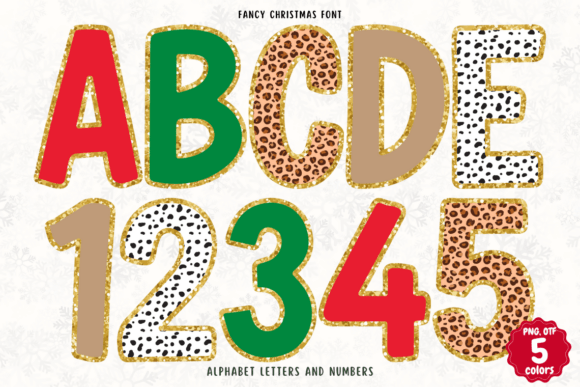
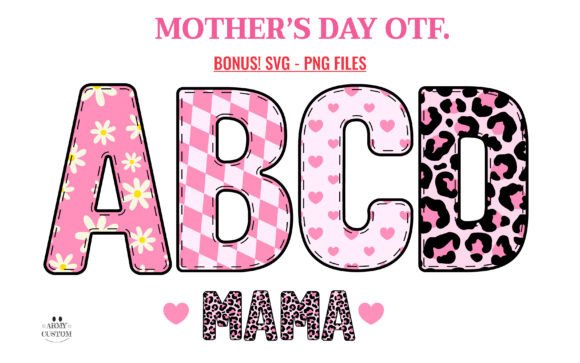
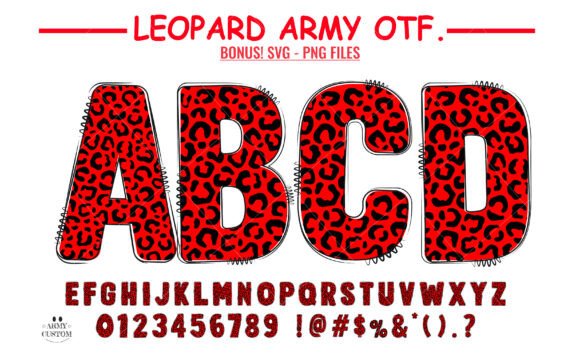
When you first encounter the Leopard Pattern font, it’s hard not to feel an immediate sense of tactile warmth. It doesn’t just sit on the page; it breathes. As a premium font, it transcends the basic function of legibility to become a piece of graphic art. Visually, this is a display font that relies heavily on texture. The strokes aren't clean and sterile; they are composed of intricate, spotted patterns that mimic the organic beauty of nature. It strikes a fascinating balance between a serif font structure and a handwritten font fluidity, giving it a personality that is simultaneously fierce and approachable.
The "wild" aspect of the Leopard Pattern isn't chaotic; it is carefully curated modern typography. The detailing within each glyph is what sets it apart from standard geometric typefaces. It possesses a certain movement that static fonts lack. If you look closely, you’ll notice the negative space plays a vital role, creating a rhythm that guides the eye naturally. It’s the kind of creative font that evokes a sensory response—you can almost feel the warmth of a sun-drenched savanna or the luxury of high-end textile design. This isn't just a collection of letters; it's a typeface with a distinct mood, perfect for projects that need to convey authenticity and artistic flair.
Strategic Applications: Where the Pattern Roars
Knowing where to deploy a font like Leopard Pattern is just as important as liking its look. Because of its textural density, it shines brightest in headline roles. Think of packaging design for artisanal goods, boutique cosmetics, or organic food brands. The font’s natural aesthetic aligns perfectly with products that emphasize craftsmanship or earthy ingredients. It acts as a visual shorthand for quality and care.
In the realm of brand identity, this commercial font offers a distinct advantage for businesses looking to stand out in crowded markets. A coffee shop, a bohemian clothing line, or a lifestyle blog could use Leopard Pattern to establish a vibe that feels curated rather than corporate. It works beautifully for:
- Logo Design: Creating a memorable mark that feels organic and timeless.
- Editorial Design: Captivating headers in magazines or digital lookbooks.
- Social Media Graphics: Stopping the scroll with texture-heavy, artistic text that pops against flat backgrounds.
- Web Design: Hero sections or accent headers that inject personality into a site.
However, it requires a gentle hand. Using Leopard Pattern for body copy would likely fatigue the reader's eye, compromising readability. Instead, pair it with a clean sans serif font or a simple script font. The contrast between a textured, bold headline and a crisp, legible paragraph creates a sophisticated visual hierarchy that guides the user effortlessly through your content.
Mastering the Pairing and Perception
The success of your project often hinges on how well your typography plays together. Font pairing is an art, and Leopard Pattern is a strong character that needs a supportive cast. Because it carries so much visual weight and personality, it demands a partner that is understated. Imagine a rustic wedding invitation: the headers in Leopard Pattern evoke a whimsical, forest vibe, while a delicate serif font handles the details. This combination elevates the design assets from simple text to an experience.
From a branding perspective, consistency is key. When you incorporate this font into your brand identity, you are signaling a specific set of values to your audience. It suggests that your brand is creative, detail-oriented, and unafraid to embrace texture. It influences audience engagement by making the content feel more personal and less algorithmic. In a digital landscape dominated by sterile, machine-generated interfaces, a font that feels "touched by human hands" creates an instant emotional connection.
Practical Implementation and Licensing
Before you commit to Leopard Pattern for a major campaign, take the time to test it in context. Check the legibility of specific letters at the sizes you intend to use. Does the texture muddy the definition of the 'e' or the 'a' at smaller sizes? Usually, with display fonts of this nature, larger is better. Review the included styles; many premium fonts come with alternates, ligatures, or different texture densities that can help you customize the look.
Finally, ensure your commercial font licensing covers your specific usage. Whether you are a small business owner printing on merchandise or a publisher creating a digital book cover, the legalities matter. By treating Leopard Pattern not just as a tool but as a central piece of your modern typography strategy, you can transform standard projects into captivating visual narratives that resonate deeply with your audience.