Baby: The Retro SVG Font for a Lovely Day
Sometimes a design calls for more than just letters; it calls for a feeling. That warm, nostalgic pull of a vintage greeting card or the playful charm of a 1970s children's book. This is the space where the Baby colored SVG font lives. It’s not merely a typeface; it’s a toolkit for injecting instant personality and a distinct retro flair into your creative work. As a designer who has spent years hunting for assets that truly stand out, I find fonts like this invaluable. They bridge the gap between a simple layout and a memorable piece of art, transforming standard projects into something with real character.
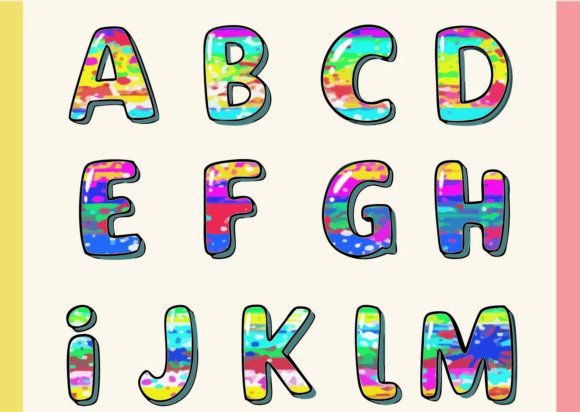
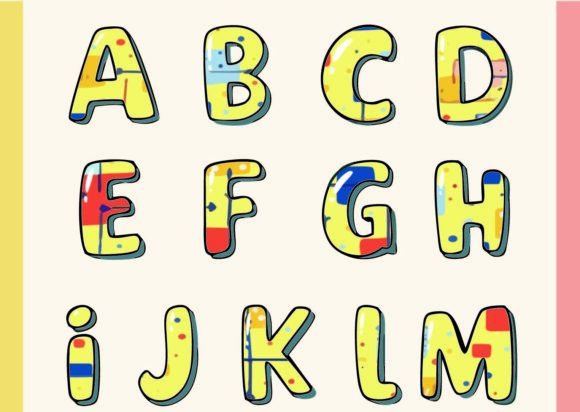
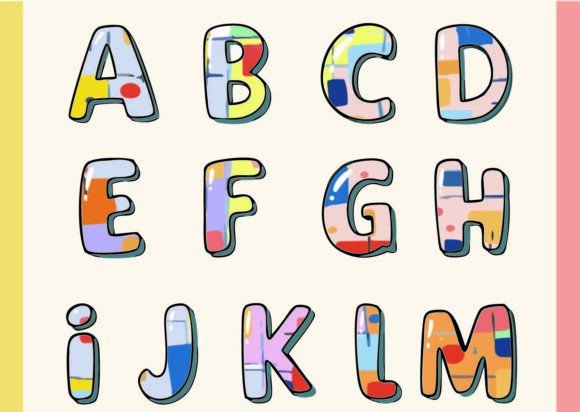
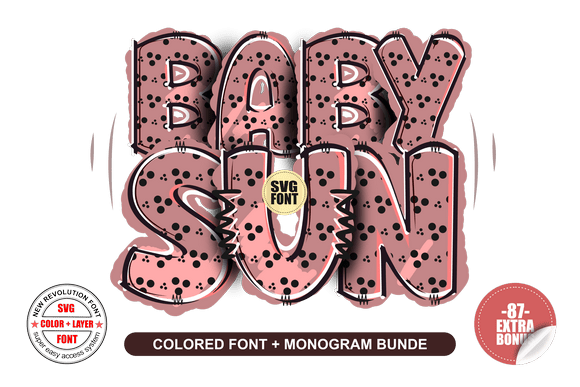
The visual appeal of Baby is immediate. It’s a display font with a soft, rounded structure, reminiscent of hand-painted signage or classic storybook lettering. The "colored SVG" aspect is its core feature—each character comes pre-rendered with texture, gradient, or pattern fills that mimic vintage printing techniques. You get that authentic, slightly worn look without any extra steps. The personality is inherently friendly, cheerful, and approachable. It carries the warmth of a handwritten font but with the clarity and consistency needed for effective communication. This makes it a powerful creative font for projects aimed at evoking emotion, nostalgia, or simple joy.
Where This Vintage Charm Truly Shines
Understanding where Baby excels is key to using it effectively. Its strength lies in applications where a strong visual hook and emotional resonance are more important than lengthy readability. Think of it as a headline artist, not a body copy workhorse.
- Retro & Novelty Apparel: This is its natural habitat. For t-shirt design, hoodies, or sweatshirts, the Baby font creates instant vintage appeal. It’s perfect for slogans for Mother’s Day, Father’s Day, Valentine’s Day, or just general "lovely day" themes. The textured appearance translates beautifully to sublimation design and screen printing, giving garments a premium, worn-in feel from the start.
- Print-on-Demand & Home Goods: The font’s playful nature makes it ideal for products like mugs, pillows, tote bags, and canvas prints. It adds a touch of handmade charm that customers often seek in personalized gifts. Imagine a coffee mug with a "World's Best Dad" phrase in Baby—it immediately feels more special and thoughtful than a standard font.
- Paper Crafts & Stationery: From greeting cards and thank you notes to birthday invitations and scrapbooking elements, Baby brings a cohesive vintage theme. It works exceptionally well in editorial design for zines or lifestyle magazines aiming for a retro aesthetic. The textured letters add depth and interest to flat print pieces.
- Digital Projects & Branding: While caution is needed with readability at small sizes, Baby can be a standout choice for logo design for niche brands—think vintage bakeries, craft breweries, or children's boutiques. It’s also fantastic for social media graphics, where quick visual impact is crucial. A sale announcement or a motivational quote in this font will stop the scroll.
It’s important to recognize its limitations. As a display font, it’s not suited for body text, long paragraphs, or critical information where clarity is paramount (like legal disclaimers or technical instructions). Its value is in its decorative, attention-grabbing quality.
Making Baby Work for Your Brand and Projects
Choosing a font is a strategic decision. Here’s how to approach integrating Baby into your workflow thoughtfully.
Evaluate the Project Fit: Before you even download, ask: Does my project need a vintage, playful, or handmade aesthetic? Is the primary text short—like a headline, title, or short phrase? If you're designing a corporate report, look elsewhere. If you're creating a poster for a community fair or a logo for a indie record label, it could be perfect. The font’s personality must align with the message and the audience.
Master Font Pairing: This is where Baby truly comes to life in professional design. A bold, textured display font like this needs a calm partner. Pair it with a clean, neutral sans serif font for supporting text. For example, use Baby for the main headline on a poster and a simple sans serif like Montserrat or Open Sans for the date, time, and location details. This creates a clear visual hierarchy—the eye is drawn to the vibrant headline first, then flows easily to the supporting information. Avoid pairing it with other decorative fonts; the result will be chaotic and hard to read.
Test Readability in Context: Always mock up your design at its intended size. A font that looks great on your 27-inch monitor might become an illegible blob on a phone screen or when printed small on a business card. Check the kerning (space between letters) and ensure the textured fills don’t merge into an unreadable mass at small scales. Sometimes, using the font in a solid color version (if provided) for smaller applications is a smart compromise.
Review the Complete Package: A quality premium font like Baby often comes with more than just the basic alphabet. Look for extras: alternates, ligatures, ornaments, and multiple color options. These assets are gold. They allow you to customize the look further—swapping out a standard "a" for a stylistic alternate can make a logo feel unique. Understanding the full kit prevents you from missing out on its potential.
Understand the License: This is non-negotiable for any commercial project. Whether you're a freelancer, a small business owner, or a crafter selling finished goods, you must ensure the font’s license permits your intended use. Most reputable commercial fonts have clear licensing tiers for personal, small-scale commercial, or large-scale commercial use. Read the EULA (End User License Agreement) carefully. Using a font outside its license can lead to legal issues down the line.
In the end, the Baby font is more than just a set of letters. It’s a design asset that can define a project’s mood. It’s about adding that extra layer of fun, nostalgia, and tactile quality that makes people smile. Used wisely, with an understanding of its strengths and context, it can elevate your designs from simple to simply delightful, helping you build a recognizable and engaging brand identity that feels both personal and professionally crafted.