Brick: A Color Font with a Natural Edge
More Than Just a Typeface: The Textured Appeal of Brick
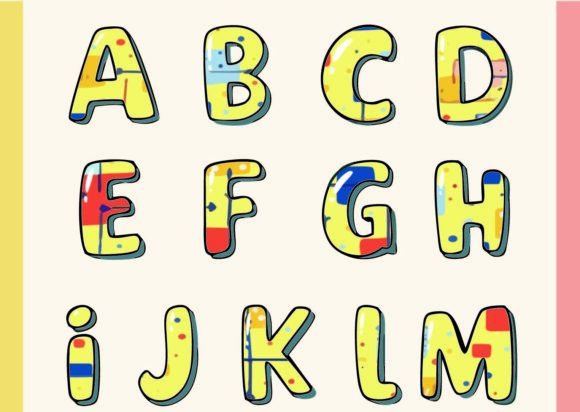
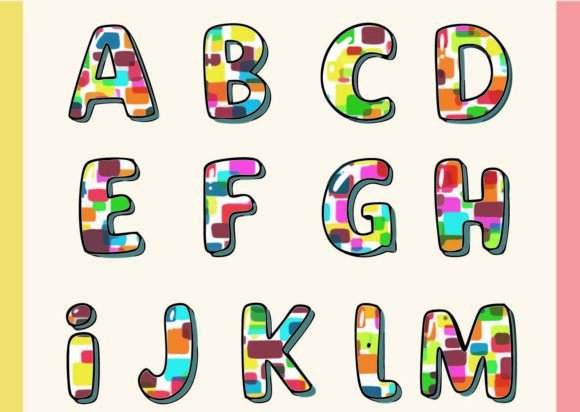
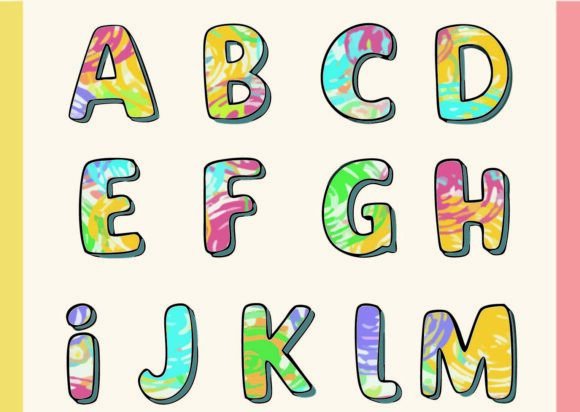
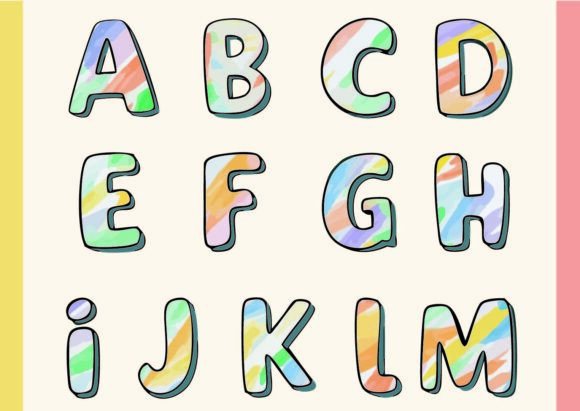
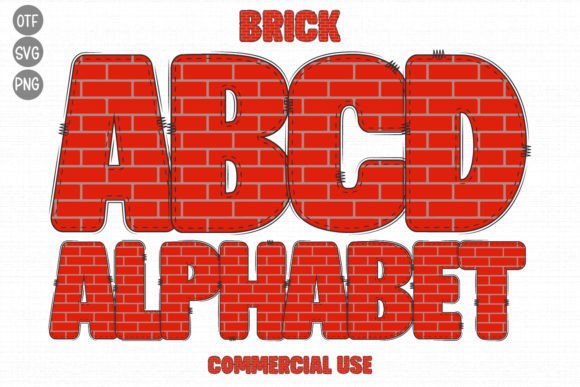
In a digital landscape saturated with clean, minimalist sans serif options and elegant script fonts, finding a typeface that genuinely captures a raw, organic feel can be a challenge. Enter Brick, a unique premium font that transcends standard digital rendering to offer something tactile and visually arresting. Unlike traditional vector fonts, Brick is a color font, meaning the texture and color data are embedded directly into the file. This results in letters that look as though they are constructed from actual bricks, complete with a realistic skin texture, mortar lines, and subtle color variations.
The personality of Brick is unmistakable. It possesses a grounded, structural quality that commands attention without shouting. It is robust, earthy, and inherently "real." For designers and creators, this means you aren't just selecting a creative font; you are choosing a design asset that brings a specific material quality to your work. It moves beyond flat design into a realm where typography feels almost three-dimensional. This texture adds depth to your brand identity, suggesting durability, strength, and a connection to nature or construction.
Practical Applications: Where Brick Builds Impact
The versatility of Brick lies in its strong thematic association. It is an incredible asset for any project requiring a touch of the outdoors or a playful, tactile aesthetic. For professionals working on children’s projects, this display font is a game-changer. It instantly evokes a sense of playfulness, reminiscent of building blocks and toy sets, making it perfect for educational materials, book covers, or party invitations. However, its application extends far beyond the nursery.
Consider the power of Brick in packaging design. If you are branding a product line that emphasizes natural ingredients, organic materials, or handcrafted goods, this font provides immediate visual context. A coffee roaster, a pottery studio, or an outdoor adventure brand could utilize this commercial font to anchor their visual language. In editorial design, particularly for magazines or blogs focusing on gardening, architecture, or sustainability, using Brick for pull quotes or section headers breaks the monotony of standard body text and draws the reader's eye.
For digital creators, the font translates beautifully to social media graphics. In a scrolling feed, a textured headline stands out against flat backgrounds. It adds a layer of professional polish to YouTube thumbnails, Instagram stories, or event posters. While it is too distinct for long-form body copy, it shines in logo design for specific niches—think construction companies, hiking gear shops, or artisanal bakeries looking for a font that implies sturdiness and heritage.
Design Strategy: Pairing and Professional Usage
Using a highly stylized font like Brick effectively requires a strategic approach to font pairing. Because Brick carries so much texture and visual weight, it needs a counterpart that provides balance and clarity. A common mistake is pairing a complex display font with another ornate style, such as a handwritten font, which can result in visual chaos.
Instead, treat Brick as the hero element and pair it with a clean, neutral companion. A geometric sans serif works exceptionally well here, offering a modern counterpoint to the rustic texture of the bricks. Alternatively, a simple, high-contrast serif font can add a touch of elegance, bridging the gap between "earthy" and "sophisticated" for higher-end branding applications. The goal is to let the texture of Brick provide the personality while the secondary font handles the legibility for smaller text.
Technical Considerations and Readability
When evaluating Brick for your next project, it is vital to consider the technical aspects of modern typography. As a color font, it renders differently than standard vector files. It is optimized for screen use, making it a strong contender for web design headers and digital advertising. However, like any creative font, its primary strength is in large-scale display settings. You would not use Brick for a 12-point paragraph in a legal document; the texture would muddy the readability at small sizes. It is designed to be viewed large, where the intricate details of the brick texture can be fully appreciated.
Before finalizing your design, always test the font in the specific context where it will live. Check the contrast against your background colors—Brick often pops best against muted, earthy tones or stark, clean whites. Ensure that the licensing covers your intended use, whether for personal craft projects or large-scale commercial distribution. By respecting the font's inherent nature—treating it as an artistic element rather than a utility—you can leverage Brick to build designs that are not only memorable but deeply resonant with your audience.